


5-Amino-1MQ – 10mg
Certificates of Analysis
5-Amino-1MQ (5-amino-1-methylquinolinium, also written 5A1MQ) is a small-molecule, membrane-permeable inhibitor of nicotinamide N-methyltransferase (NNMT), supplied for laboratory research. Unlike the peptides that make up most of this catalog, it is a compact quinolinium compound rather than an amino-acid chain.
NNMT transfers a methyl group from S-adenosyl-L-methionine to nicotinamide, producing 1-methylnicotinamide and S-adenosyl-L-homocysteine. Because nicotinamide also feeds the NAD+ salvage pathway, the enzyme sits at the junction of methyl-donor and NAD+ metabolism, which is what makes it an object of study in metabolic enzymology. Reported selectivity assays for this inhibitor class describe no inhibition of other SAM-dependent methyltransferases or of NAD+ salvage enzymes.
Published work is preclinical throughout. In cultured adipocytes, inhibitors of this scaffold lower intracellular 1-methylnicotinamide, raise NAD+ and SAM, and suppress lipogenesis. Rodent studies report elevated NNMT expression in white adipose tissue and liver in diet-induced obesity models, and effects of knockdown on adipose NAD+ and SAM, polyamine flux, histone H3K4 methylation and adipocyte oxygen consumption. Genetic Nnmt-deletion studies report sex- and diet-dependent outcomes that only partly overlap with the inhibitor literature, and no human clinical data are published.
This product is intended for laboratory research use only. It is not for human or veterinary use, diagnostic use, or any form of consumption.
Couldn't load pickup availability
Need reconstitution solution? Don’t forget to add Bacteriostatic Water before checkout.


Small-Molecule NNMT Inhibitor
A Membrane-Permeable Quinolinium Scaffold for Methyl-Transfer Research
5-Amino-1MQ (5-amino-1-methylquinolinium, also written 5A1MQ) is a small-molecule, membrane-permeable inhibitor of nicotinamide N-methyltransferase (NNMT), a cytosolic enzyme that transfers a methyl group from S-adenosyl-L-methionine (SAM) to nicotinamide, producing 1-methylnicotinamide and S-adenosyl-L-homocysteine. Unlike the peptides that make up most of this catalog, it is a compact quinolinium scaffold rather than an amino-acid chain.
Because nicotinamide also feeds the NAD+ salvage pathway, NNMT sits at the intersection of methyl-donor and NAD+ metabolism, which is the reason the enzyme is studied at all. Reported selectivity assays for this inhibitor class describe no inhibition of other SAM-dependent methyltransferases and no inhibition of NAD+ salvage enzymes. All published characterization of the compound is cell-based or rodent.

Methyl-Donor & NAD+ Flux
How NNMT Inhibition Redirects Adipocyte Metabolism in Culture
5-Amino-1MQ belongs to the methylquinolinium inhibitor scaffold. In cultured adipocytes, inhibitors of this class lower intracellular 1-methylnicotinamide, raise NAD+ and SAM, and suppress lipogenesis. Published rodent work reports that NNMT expression is elevated in white adipose tissue and liver in diet-induced obesity models, and that knockdown raises adipose NAD+ and SAM, increases polyamine flux through ODC and SSAT, alters histone H3K4 methylation and raises adipocyte oxygen consumption.
These observations frame the cellular question investigators actually ask: whether restraining a single methyl-transfer step redistributes methyl-donor and NAD+ pools inside the adipocyte, and how far that redistribution propagates. Every result summarized here comes from cell-based or rodent systems; no human clinical data are published for this compound.

Research Applications
From Rodent Diet-Induced Obesity Models to Aged Skeletal Muscle Studies
Published investigation of 5-Amino-1MQ and related NNMT inhibitors clusters around five axes: NNMT enzymology and inhibitor selectivity, adipocyte methyl-donor and NAD+ flux, energy balance in rodent diet-induced obesity models, skeletal-muscle ageing and regenerative capacity in rodents, and preclinical pharmacokinetics and tissue distribution. Each axis is defined by the experimental system it uses, and observations made in one system are not transferable to another.
The literature is also not uniform, and that matters for study design. Genetic Nnmt-deletion studies report sex- and diet-dependent outcomes that only partly overlap with the inhibitor literature, so pharmacological and genetic loss of NNMT should not be treated as interchangeable when planning experiments or interpreting results.

The Science Behind NNMT Inhibition: Where 5-Amino-1MQ Fits in Metabolic Research
5-Amino-1MQ targets a single enzymatic step. Nicotinamide N-methyltransferase consumes S-adenosyl-L-methionine and nicotinamide, releasing 1-methylnicotinamide and S-adenosyl-L-homocysteine. Both substrates are metabolically expensive: SAM is the cell's principal methyl donor, and nicotinamide is the entry point of the NAD+ salvage pathway. Blocking the reaction is therefore studied less as an isolated inhibition event than as a way to probe how two coupled metabolic pools respond.
The reported rodent findings are confined to defined models. In diet-induced obesity models, NNMT expression is described as elevated in white adipose tissue and liver, and knockdown is reported to raise adipose NAD+ and SAM, increase polyamine flux through ODC and SSAT, alter histone H3K4 methylation and raise adipocyte oxygen consumption. Skeletal-muscle ageing and regenerative capacity in rodents, along with preclinical pharmacokinetics and tissue distribution, form separate lines of published investigation.
The honest summary of the evidence base is that it is entirely preclinical. Every reported effect belongs to a defined experimental system, cell culture or rodent, and genetic deletion models do not reproduce the inhibitor results in full. No human clinical data are published, and the compound is supplied here as a chemical probe for NNMT research rather than as a characterized metabolic agent.
Scientific Literature
- Kraus D, et al. Nicotinamide N-methyltransferase knockdown protects against diet-induced obesity. Nature. 2014;508(7495):258-262.
- Neelakantan H, et al. Selective and membrane-permeable small molecule inhibitors of nicotinamide N-methyltransferase reverse high fat diet-induced obesity in mice. Biochem Pharmacol. 2018;147:141-152.
- Neelakantan H, et al. Small molecule nicotinamide N-methyltransferase inhibitor activates senescent muscle stem cells and improves regenerative capacity of aged skeletal muscle. Biochem Pharmacol. 2019;163:481-492.
- Babula JJ, et al. Nicotinamide N-methyltransferase inhibition mitigates obesity-related metabolic dysfunction. Diabetes Obes Metab. 2024;26(11):5272-5282.
- Brachs S, et al. Genetic nicotinamide N-methyltransferase (Nnmt) deficiency in male mice improves insulin sensitivity in diet-induced obesity but does not affect glucose tolerance. Diabetes. 2019;68(3):527-542.
Packaged with care, shipped fast.
We’re a passionate team obsessed with quality, not margins.
- Company
- Price
- Purity
- Quantity
- Shipping
-
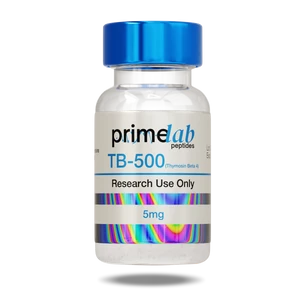
TB-500 – 5mg
-
Prime
Lab PeptidesTypical
Competitor -
$45.00$80.00
- ≥99%97%
- 5mg5mg
- Free 2-Day Shipping3-10 Business Day
-


