


All product descriptions and articles provided on this website are intended strictly for informational and educational purposes. Our products are designed exclusively for in-vitro research (i.e., experiments conducted outside of a living organism, typically in glassware such as test tubes or petri dishes). These compounds are not approved by the FDA for use in humans or animals. They are not medications, nor are they intended to diagnose, treat, prevent, or cure any disease or medical condition. Any bodily administration-human or animal-is strictly prohibited by law. Our products are not for human consumption under any circumstances.

Obesity has risen to epidemic levels globally, fueling urgent demand for innovative solutions. Retatrutide, a groundbreaking peptide, is redefining metabolic research[1] with its unique triple action. Simultaneously targeting GLP-1, GIP, and glucagon receptors, it drives powerful metabolic effects. Its potential extends far beyond obesity and diabetes, influencing cardiovascular health, fatty liver, inflammation, and even the science of aging.
At Prime Lab Peptides, we provide the highest-quality research peptides trusted by professionals worldwide. Our commitment to scientific excellence, purity, and reliability sets us apart. Whether your focus is metabolic disease, aging research, or therapeutic innovation, we ensure you have the best tools to advance your discoveries with confidence.
Retatrutide’s Broader Scientific Applications
Retatrutide’s broader scientific applications encompass multiple domains of metabolic research. Evidence highlights its significant impact on obesity pharmacotherapy, type 2 diabetes, and fatty liver disease, establishing a strong foundation for its role across diverse therapeutic areas, as detailed below.
- Obesity pharmacotherapy[2] shows a significant weight reduction of up to 24.2% over 48 weeks versus placebo groups, which typically see only 2.1% weight reduction.
- Type 2 diabetes interventions, with HbA1c reductions[3] averaging –2.02%, while maintaining a strong safety profile and no reports of severe hypoglycemia.
- In fatty liver disease studies, 79–86% of high-dose patients achieved normal liver fat after 24 weeks, compared to 0% in placebo groups. This result suggests a potential resolution for NAFLD in up to 90% of obesity-linked cases.
Cardiovascular and Metabolic Benefits
Retatrutide demonstrates significant promise in cardiovascular health through its effects on lipid metabolism, blood pressure, and inflammation reduction. Clinical studies[4] show that it effectively lowers triglycerides and LDL cholesterol, key factors in cardiovascular risk. Additionally, Retatrutide reduces markers of systemic inflammation, helping to mitigate underlying conditions that contribute to heart disease.
Moreover, preclinical research[5] reveals that Retatrutide enhances cardiac function by increasing the force of contraction in human atrial tissue through cAMP signaling pathways. This suggests potential benefits for cardiac muscle health beyond glucose and weight management. Together, these effects indicate Retatrutide could play a role in lowering the risk of atherosclerosis and heart failure, showcasing its broader cardiovascular therapeutic potential.

Advancements in Liver Disease and Inflammation
Retatrutide is gaining prominence in liver disease and inflammation research through its dual mechanisms, effectively reducing liver fat and mitigating systemic inflammation. Its therapeutic potential positions it as a vital candidate for NAFLD, NASH, and related metabolic disorders.
1. NAFLD and NASH Interventions
- Retatrutide reduces liver fat by an average of 82% in high-dose groups. In contrast, placebo arms achieve virtually no reduction, highlighting a true pharmacological impact.
- Over 85% of obese participants with NAFLD normalize their liver fat content within clinical trials[6], a level unseen with other therapeutics.
2. Obesity-Related Inflammation Mitigation
- Its action on metabolic pathways results in notable reductions in systemic inflammation, crucial for combating obesity-related diseases.
- This anti-inflammatory effect holds promise for autoimmune and metabolic health studies, making Retatrutide a versatile research tool.
Emerging Science: Longevity and Aging
Retatrutide offers promising potential in longevity and aging science by improving metabolic flexibility and enhancing fat oxidation[7]. Its triple receptor activation targets key metabolic dysfunctions like insulin resistance, oxidative stress, and mitochondrial decline in accelerated cellular aging. Key emerging benefits include:
- Improved aging biomarkers linked to metabolic health
- Reduced systemic inflammation contributing to age-related diseases
- Enhanced mitochondrial function supporting cellular energy
- Potential mitigation of cognitive decline through metabolic regulation
These effects suggest that Retitatrutide could become a crucial component in geroscience, aiming to extend healthy lifespans and combat age-associated conditions by addressing fundamental metabolic pathways. Continued research will clarify its role in aging interventions and preventive health strategies.
Future Research Directions and Clinical Potential
Future investigations on Retatrutide must carefully evaluate its long-term safety, potential for multi-organ protection, and effectiveness in combination therapies. Its expanded receptor activity compared to existing agents positions it as a versatile therapeutic option. However, it also necessitates close monitoring of cardiovascular and gastrointestinal side effects, which appear to be largely dose-dependent in early clinical observations.
Ongoing Phase III trials[8] are expected to provide deeper insight into Retatrutide’s role in precision medicine, particularly through studies on osteoarthritis and detailed metabolic profiling. Continued scientific exploration of its impact on diverse metabolic and inflammatory pathways may uncover new therapeutic indications, broadening its potential applications and advancing innovation in metabolic disease treatment.
Elevate Research Excellence with Prime Lab Peptides and Retatrutide Innovation
Researchers in metabolic and therapeutic peptide studies frequently encounter obstacles, including variable peptide quality, supply chain instability, and intricate synthesis requirements. These challenges slow progress, reduce reliability, and create barriers to accurate and efficient research, ultimately limiting the potential for groundbreaking discoveries and timely clinical advancements.
Prime Lab Peptides delivers research-grade peptides of the highest purity, including Retatrutide, supported by rigorous quality control and expert guidance. Our reliable solutions empower researchers to advance studies, achieve reproducible results, and confidently drive innovation. Contact us today to elevate your peptide research to the next level.
FAQs
What makes Retatrutide different from other metabolic peptides?
Retatrutide differs from other peptides by simultaneously targeting GLP-1, GIP, and glucagon receptors. This triple action drives broader metabolic benefits, including weight loss, glucose regulation, and liver fat reduction, surpassing the effectiveness of single or dual agonists.
How does Retatrutide contribute to liver disease treatment?
Retatrutide contributes to liver disease treatment by significantly reducing liver fat and restoring healthy liver function in NAFLD and NASH patients. Clinical evidence highlights its strong potential as a therapeutic solution for obesity-related fatty liver conditions.
What cardiovascular benefits does Retatrutide provide?
Retatrutide provides cardiovascular benefits by lowering triglycerides, LDL cholesterol, and systemic inflammation. It also improves cardiac function through cAMP signaling, potentially reducing risks of atherosclerosis, heart failure, and related metabolic complications beyond traditional glucose control.
Can Retatrutide play a role in aging and longevity research?
Retatrutide plays a role in aging research by improving metabolic flexibility, reducing systemic inflammation, and enhancing mitochondrial function. These effects may slow cellular aging, making it an important therapeutic candidate within longevity and geroscience studies.
References
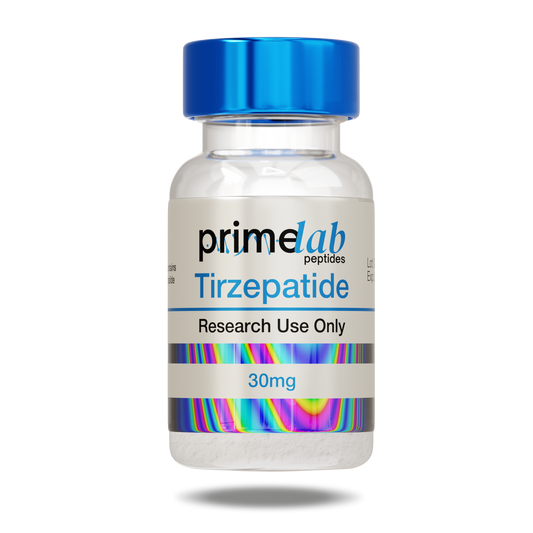
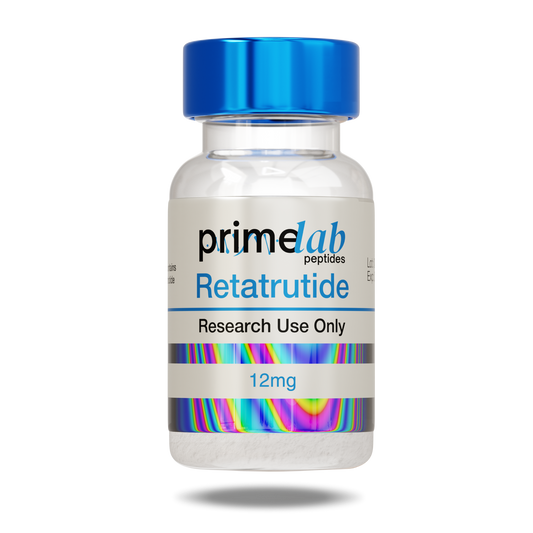
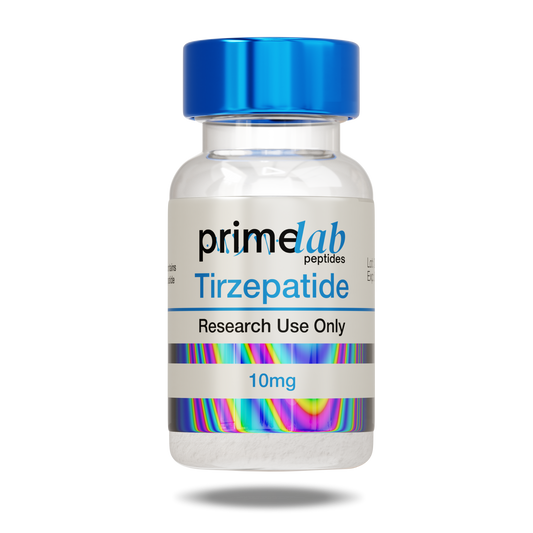
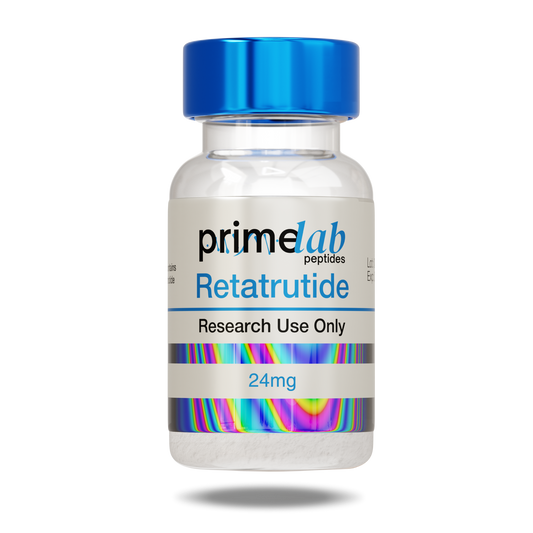
1 comment
I was diagnosed with Idiopathic Pulmonary Fibrosis (IPF) four years ago. For over two years, I relied on prescription medications and therapies, but unfortunately, the symptoms continued to worsen. My breathing became more labored, and I experienced increasing fatigue and shortness of breath with even minimal activity.Last year, out of desperation and hope, I decided to try an herbal treatment program from NaturePath Herbal Clinic.Honestly, I was skeptical at first, but within a few months of starting the treatment, I began to notice real changes. My breathing became easier, the tightness in my chest eased, and I felt more energetic and capable in my daily life. Incredibly, I also regained much of my stamina and confidence. It’s been a life-changing experience I feel more like myself again, better than I’ve felt in years.If you or a loved one is struggling with IPF, I truly recommend looking into their natural approach. You can visit their website at www.naturepathherbalclinic.com
info@naturepathherbalclinic.com