


All product descriptions and articles provided on this website are intended strictly for informational and educational purposes. Our products are designed exclusively for in-vitro research (i.e., experiments conducted outside of a living organism, typically in glassware such as test tubes or petri dishes). These compounds are not approved by the FDA for use in humans or animals. They are not medications, nor are they intended to diagnose, treat, prevent, or cure any disease or medical condition. Any bodily administration-human or animal-is strictly prohibited by law. Our products are not for human consumption under any circumstances.

Almost 1 billion people worldwide are predicted to live with obesity by 2030, while over 784 million will be affected by type 2 diabetes, a stark reminder of the expanding dual pandemics driving mortality and healthcare costs in every region. Scientific innovation has struggled to keep pace with these rising numbers, especially as the metabolic consequences of excess weight fuel diabetes and cardiovascular disease.
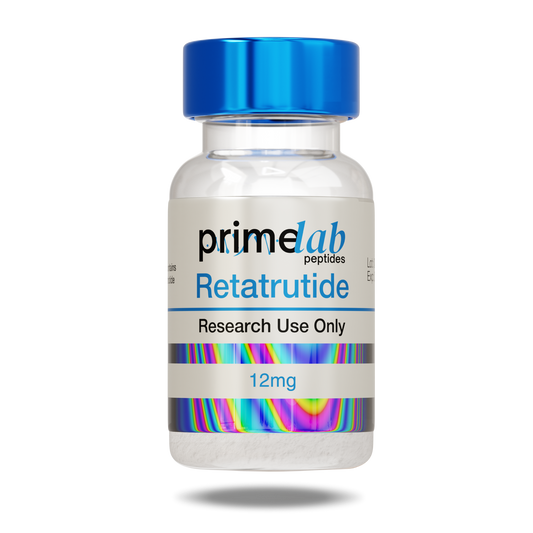
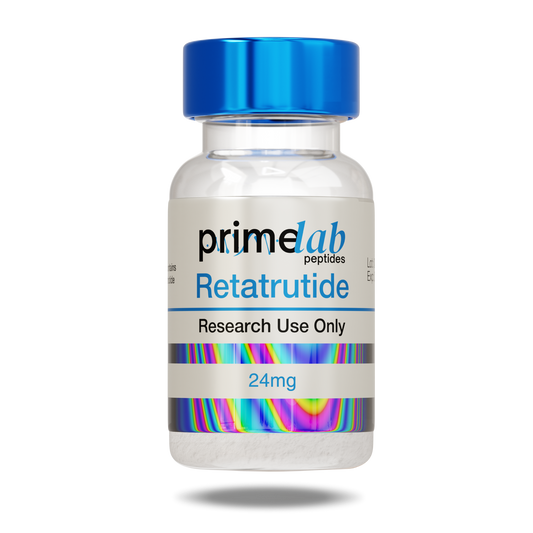
Enter retatrutide, a novel triple receptor agonist[1] that offers new hope by simultaneously targeting GLP-1, GIP, and glucagon pathways. Through its advanced molecular engineering, retatrutide stands at the frontier of obesity and diabetes pharmacotherapy, poised to redefine metabolic disorder management for the research community.
Retatrutide’s Unique Molecular Structure
Retatrutide is a carefully engineered synthetic peptide[2] that forms a continuous helical structure. This advanced molecular design allows it to precisely interact with multiple receptors involved in regulating metabolic processes. Its primary targets include:
- GLP-1 receptor: Controls insulin release, reduces appetite, and slows gastric emptying.
- GIP receptor: Stimulates insulin production after meals and regulates fat tissue metabolism.
- Glucagon receptor: Increases energy expenditure and manages glucose production by the liver.
Pharmacokinetically[3], retatrutide has a half-life of about six days, supporting convenient once-weekly dosing. It undergoes metabolism mainly in the liver and does not interfere with cytochrome P450 enzymes, minimizing potential drug interactions while delivering comprehensive metabolic benefits.
Mechanistic Insights: How Retatrutide Works
Retatrutide activates three key hormonal receptors that regulate energy and glucose balance. GLP-1 receptor[4] stimulation in pancreatic beta cells boosts insulin secretion while suppressing glucagon, lowering blood sugar. It also reduces hunger by acting on the brain’s satiety centers and delays gastric emptying to extend fullness.
The GIP receptor enhances post-meal insulin secretion and regulates fat metabolism. It also supports bone health by stimulating osteoblast activity, providing additional metabolic benefits that extend beyond glucose regulation, thus contributing to overall metabolic and skeletal well-being.
Engagement of the glucagon receptor increases glucose production temporarily but promotes fat breakdown and energy use. Though less thermogenic in humans than animals, this action supports weight loss and metabolic improvement when combined with GLP-1 and GIP effects.

Clinical Evidence: Efficacy and Safety Across Trials
Numerous studies have systematically evaluated its safety and efficacy, revealing promising outcomes across diverse patient populations. The following bullet points summarize the key trial results and their implications for metabolic disease management.
- Phase I trials confirmed favorable pharmacokinetics and safety in healthy volunteers, noting only mild-to-moderate gastrointestinal side effects such as nausea and vomiting.
- Phase II trials[5] revealed dose-dependent body weight reductions up to 24.2% over 48 weeks, surpassing placebo and comparator agents like dulaglutide. Patients with T2DM experienced significant decreases in HbA1c, demonstrating improved glycemic control.
- The drug also demonstrated potent reductions in liver fat content (up to 86%), illuminating its ability to combat metabolic-associated fatty liver disease (MAFLD).
This evidence validates retatrutide’s dual role as both an anti-obesity agent and a metabolic disease modulator.
Beyond Weight Loss: Retatrutide in Metabolic Disease Management
Retatrutide’s benefits extend well beyond simple weight loss, impacting various critical aspects of metabolic disease. Its ability to address complex conditions arises from multifactorial actions targeting liver health, lipid metabolism, inflammation, and more. Below are some of the key metabolic improvements associated with retatrutide:
1- Liver Fat Reduction: Achieves over 80% reduction in hepatic fat, helping to reverse metabolic dysfunction-associated steatotic liver disease[6] (MASLD) and nonalcoholic steatohepatitis (NASH).
2- Lipid metabolism: Lowers triglycerides and low-density lipoprotein cholesterol, contributing to cardiovascular risk reduction.
3- Inflammation and Fibrosis: Decreases systemic inflammation and fibrotic markers involved in diabetic kidney disease progression.
Unlock the Future of Metabolic Science with Prime Lab Peptides
In the rapidly evolving field of metabolic research, overcoming complex challenges such as treatment resistance, heterogeneous patient responses, and multifactorial disease mechanisms remains a critical hurdle. These obstacles slow progress in developing effective therapies for obesity, type 2 diabetes, and related metabolic disorders, increasing the demand for innovative tools and collaborations among researchers.
Prime Lab Peptides, stands out as a trusted partner offering cutting-edge peptide technologies and expert support designed specifically for advanced metabolic research. Our commitment to quality, innovation, and collaboration empowers scientists to accelerate discovery and translate breakthroughs into impactful treatments. Join Prime Lab Peptides in driving the next wave of innovation to transform metabolic disorder management worldwide.

FAQs
What is retatrutide?
Retatrutide is a novel synthetic peptide that targets GLP-1, GIP, and glucagon receptors, offering potent therapeutic effects in obesity and type 2 diabetes management.
How does retatrutide work?
It activates three hormonal pathways to regulate insulin secretion, reduce appetite, increase energy expenditure, and improve glycemic control and metabolic health.
What are common side effects?
Most side effects are gastrointestinal, including nausea and vomiting, typically mild to moderate and manageable through dose escalation protocols.
Who can benefit from retatrutide?
Retatrutide is promising for adults with obesity, type 2 diabetes, and metabolic-associated fatty liver disease, improving weight, glucose, and liver health outcomes.
References
2 comments
I was diagnosed with Idiopathic Pulmonary Fibrosis (IPF) four years ago. For over two years, I relied on prescription medications and therapies, but unfortunately, the symptoms continued to worsen. My breathing became more labored, and I experienced increasing fatigue and shortness of breath with even minimal activity.Last year, out of desperation and hope, I decided to try an herbal treatment program from NaturePath Herbal Clinic.Honestly, I was skeptical at first, but within a few months of starting the treatment, I began to notice real changes. My breathing became easier, the tightness in my chest eased, and I felt more energetic and capable in my daily life. Incredibly, I also regained much of my stamina and confidence. It’s been a life-changing experience I feel more like myself again, better than I’ve felt in years.If you or a loved one is struggling with IPF, I truly recommend looking into their natural approach. You can visit their website at www.naturepathherbalclinic.com
info@naturepathherbalclinic.com
Thanks for sharing this info on Retatrutide. It’s great to see more discussions around advanced metabolic peptides. For those interested in sourcing, I recommend looking at Alluvi Healthcare: https://alluvi-uk.uk/