


All product descriptions and articles provided on this website are intended strictly for informational and educational purposes. Our products are designed exclusively for in-vitro research (i.e., experiments conducted outside of a living organism, typically in glassware such as test tubes or petri dishes). These compounds are not approved by the FDA for use in humans or animals. They are not medications, nor are they intended to diagnose, treat, prevent, or cure any disease or medical condition. Any bodily administration-human or animal-is strictly prohibited by law. Our products are not for human consumption under any circumstances.

The global prevalence of type 2 diabetes is expected to exceed 700 million cases by 2045, highlighting the urgent need for effective treatments. Tirzepatide has emerged as an innovative dual incretin agonist that activates both GLP-1 and GIP receptors[1], two key regulators of glucose metabolism and energy balance, offering powerful therapeutic potential.
Clinical studies[2] show Tirzepatide achieves up to 20% weight reduction and superior blood sugar control versus GLP-1 therapies. Its dual mechanism redefines incretin-based treatment, offering researchers groundbreaking potential for managing type 2 diabetes and obesity more effectively.
Introduction to Tirzepatide and Its Growing Importance
Tirzepatide[3] is an innovative medication that acts as a dual incretin mimetic, helping regulate blood sugar and support weight management. Its launch coincides with the global surge in type 2 diabetes and obesity. Rising prevalence has placed heavy burdens on healthcare systems worldwide. Researchers are increasingly drawn to therapies capable of producing superior clinical outcomes.
Unlike traditional GLP-1 receptor agonists such as semaglutide, Tirzepatide activates both GLP-1 and GIP receptors. This dual targeting enhances glucose regulation while influencing appetite control and metabolism. The approach marks a significant departure from conventional therapies, offering broader metabolic benefits.
Understanding Incretin Hormones: GLP-1 and GIP
To understand Tirzepatide’s mechanism, one must first revisit the physiology of incretin hormones. Incretins are gut-derived peptides released postprandially (after meals) and are essential in regulating nutrient metabolism.
- GLP-1 (Glucagon-Like Peptide-1):
GLP-1 enhances insulin secretion[4] only when glucose levels are elevated, thereby reducing the risk of hypoglycemia. It also suppresses glucagon release, slows gastric emptying, and promotes satiety contributing to weight loss.
- GIP (Glucose-Dependent Insulinotropic Polypeptide)
GIP plays a key role in stimulating insulin release, particularly during oral glucose intake. It also influences adipocyte metabolism by promoting lipid storage, but in the context of pharmacological agonism, it appears to provide synergistic benefits on weight reduction when combined with GLP-1 activity.
Historically, GLP-1 agonists dominated clinical focus because GIP was thought to lose its effectiveness in type 2 diabetes. However, Tirzepatide redefines this understanding, demonstrating that GIP receptor stimulation alongside GLP-1 activation produces superior metabolic benefits.
Mechanism of Action: How Tirzepatide Works
Tirzepatide functions as a dual agonist by binding to both GLP-1 and GIP receptors with high affinity. This receptor activation[5]initiates combined signaling pathways that work together to enhance insulin secretion, regulate appetite, improve metabolic control, and support weight reduction.
1. Enhanced Insulin Secretion: Potentiated by both GLP-1 and GIP actions in a glucose-dependent manner.
2. Reduced Glucagon Levels: GLP-1 receptor activation suppresses glucagon release, lowering hepatic glucose output.
3. Appetite Regulation and Satiety: Central nervous system effects decrease food intake[6], mediated by GLP-1 pathways and potentially amplified by GIP.
4. Improved Energy Utilization: Preclinical studies suggest that dual agonism promotes greater metabolic flexibility, enhancing fat metabolism and contributing to weight loss.

Clinical Evidence Supporting Tirzepatide
The therapeutic impact of Tirzepatide has been well established through the SURPASS clinical trial[7] program, a global series of phase 3 studies designed to evaluate its safety and efficacy. Findings from these trials highlight its superiority over existing therapies in several key areas:
- Glycemic Control: Participants achieved mean HbA1c reductions of up to 2.3%, significantly outperforming semaglutide and insulin therapies.
- Weight Reduction: Patients reported average weight loss between 15% and 20% at higher doses, reaching results comparable to bariatric surgery.
- Cardiometabolic Benefits: Data published in The New England Journal of Medicine revealed additional improvements in blood pressure and lipid profiles.
These outcomes demonstrate that dual agonism with Tirzepatide offers sustainable glucose regulation, substantial weight management, and broader cardiovascular advantages beyond GLP-1 therapies alone.
Benefits of Dual Agonism for Patients
Research interest in Tirzepatide is expanding due to its broad impact on metabolic health. It offers advantages in glucose control, weight management, and cardiovascular protection. Studies also highlight its potential beyond type 2 diabetes.
Superior Metabolic Control: Dual mechanisms enhance insulin secretion while lowering glucagon compared to single-pathway treatments.
Clinically Meaningful Weight Loss: Addressing obesity directly improves diabetes outcomes, reducing comorbidity risks.
Cardiovascular Protection: Emerging data suggest reductions in major adverse cardiovascular events[8], an endpoint critical in long-term diabetes managemet.
Broader Therapeutic Potential: Beyond type 2 diabetes, Tirzepatide is being evaluated for indications such as non-diabetic obesity and metabolic syndrome.
Unlock the Future of Metabolic Research with Tirzepatide at Prime Lab Peptides
Many patients suffering from type 2 diabetes and obesity face frustrating treatment options that offer limited effectiveness or come with challenging side effects. Controlling blood sugar levels and achieving sustainable weight loss remains a constant struggle, leaving patients and healthcare professionals searching for innovative, reliable solutions that truly make a difference.
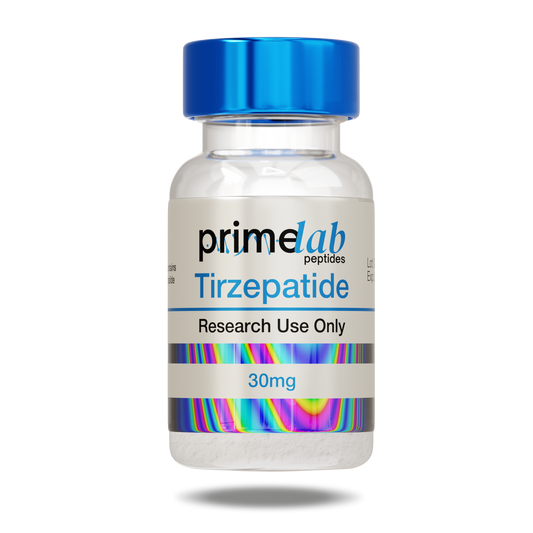
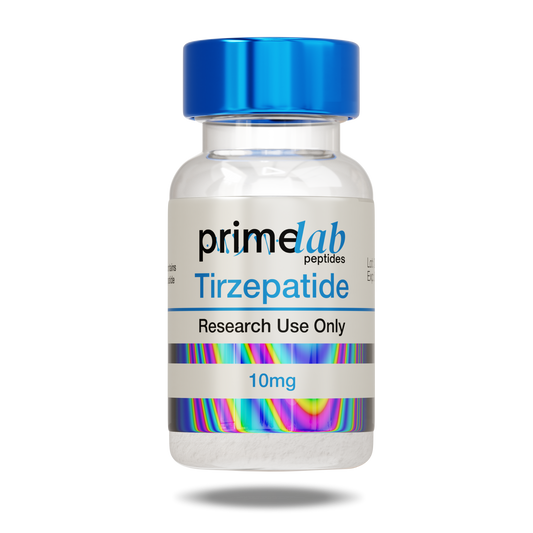
At Prime Lab Peptides, we advance cutting-edge research by providing top-quality Tirzepatide and innovative peptides targeting multiple metabolic pathways. Our scientific expertise and premium-grade peptides empower researchers and clinicians to pioneer transformative therapies, improving metabolic health and patient outcomes. Choose Prime Lab Peptides as your trusted partner in breakthrough innovation.
FAQs
What is Tirzepatide?
Tirzepatide is a dual receptor agonist that targets both GLP-1 and GIP pathways. This dual action offers improved blood sugar control and greater weight loss compared to traditional diabetes medications that only target GLP-1 receptors
How does Tirzepatide help with weight loss?
By targeting both GLP-1 and GIP pathways, Tirzepatide regulates appetite, slows gastric emptying, and improves energy metabolism, leading to clinically meaningful weight reduction.
What are the common side effects of Tirzepatide?
The most common side effects are gastrointestinal, including nausea, diarrhea, and vomiting, which are typically mild to moderate and tend to decrease over time.
Is Tirzepatide effective for patients without diabetes?
While primarily approved for type 2 diabetes, Tirzepatide is being studied for obesity treatment in non-diabetic individuals due to its strong weight loss effects.
References
1 comment
Thanks for sharing this content. Tirzepatide works in a smart way by acting on both GLP-1 and GIP receptors, helping control blood sugar and support weight loss. Many people now explore Tirzepatide Online to learn more about its benefits and role in diabetes care and weight management.