

All product descriptions and articles provided on this website are intended strictly for informational and educational purposes. Our products are designed exclusively for in-vitro research (i.e., experiments conducted outside of a living organism, typically in glassware such as test tubes or petri dishes). These compounds are not approved by the FDA for use in humans or animals. They are not medications, nor are they intended to diagnose, treat, prevent, or cure any disease or medical condition. Any bodily administration-human or animal-is strictly prohibited by law. Our products are not for human consumption under any circumstances.

More than one billion people worldwide are affected by obesity, a condition that significantly heightens the risk of diabetes, cardiovascular disease, and early mortality. While existing drugs like GLP-1 and dual agonists[1] provide progress, their results often plateau. Retatrutide emerges as a next-generation solution, engaging three powerful metabolic pathways simultaneously.
This triple-target design represents a genuine paradigm shift in metabolic treatment, offering a coordinated strategy that integrates appetite control, glucose regulation, and energy expenditure. By advancing beyond prior therapies, retatrutide marks a new era in obesity and metabolic disease research.
What Is Retatrutide?
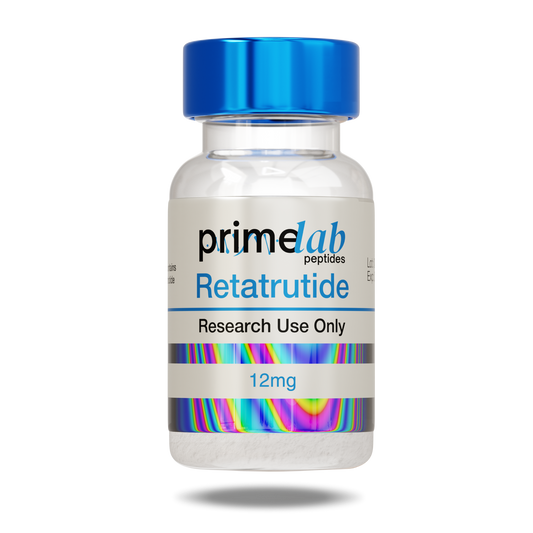
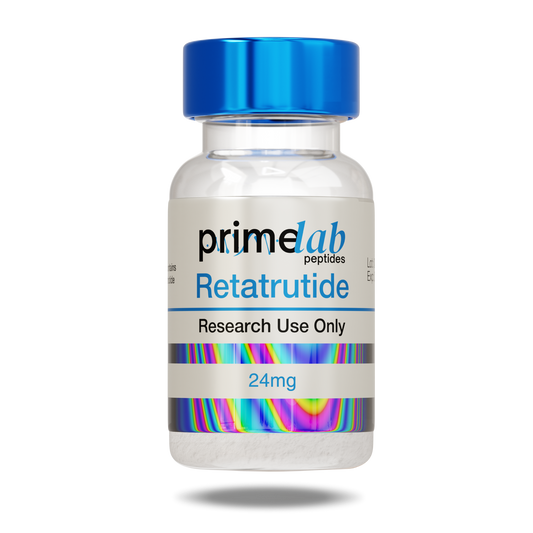
Retatrutide[2](LY3437943) is an investigational peptide-based therapy developed by Eli Lilly, drawing major attention in obesity and metabolic research. Known as a triple agonist, it simultaneously activates GLP-1, GIP, and glucagon receptors, creating complementary effects on appetite regulation, glucose metabolism, and overall energy expenditure beyond what current single- or dual-agonist therapies achieve.
Early clinical trials show remarkable outcomes, with patients losing up to 24% of body weight in 48 weeks[3]. These reductions were accompanied by improved glycemic control, healthier lipid profiles, and stronger cardiovascular biomarker responses, suggesting transformative therapeutic potential.
Understanding Triple Agonism
To appreciate the novelty of retatrutide, it is essential to understand the concept of agonism. An agonist is a compound that binds to and activates a receptor, stimulating a biological response.
Single Agonists
- Drugs like semaglutide focus solely on GLP-1 receptor activation[4].
- Effect: reduced appetite, better insulin response, but limited in long-term weight management.
Dual Agonists
- Tirzepatide combines GLP-1 with GIP receptor activation.
- Effect: stronger satiety signals and better glucose tolerance, with improved weight loss over single agonists.
Triple Agonist (Retatrutide)
- Adds the glucagon receptor into the mix.
- Effect: appetite suppression + glucose balance + increased energy burning.
This tiered progression shows why researchers view retatrutide as next generation. By engaging three parallel but complementary metabolic levers, it overcomes the body’s natural resistance to sustained fat loss.
Retatrutide Mechanism of Action
Retatrutide targets three important metabolic receptors: GLP-1, GIP, and glucagon. Each receptor plays a distinct role in managing appetite[5], blood sugar, and energy use. Together, they work synergistically.
1- GLP-1 receptor activation
Activation of the GLP-1 receptor slows gastric emptying, extending fullness and reducing calorie intake. It also enhances glucose-dependent insulin secretion and directly suppresses hunger through brain signaling.
2- GIP receptor activation
The GIP receptor activation boosts insulin release after meals, complementing GLP-1’s effects and improving overall glucose control. This combined activation also strengthens satiety signals, aiding appetite regulation.
3- Glucagon receptor activation
Retatrutide uniquely activates the glucagon receptor, boosting basal metabolic rate and enhancing fat breakdown. It also helps reduce liver fat and increases overall energy expenditure while maintaining balance with GLP-1 and GIP effects to minimize side effects.

Clinical Evidence and Trial Results
Phase II clinical trials[6] provide the strongest evidence yet for retatrutide’s efficacy. In one pivotal trial, patients with obesity but no diabetes achieved up to 24%[7] mean weight loss after 48 weeks of treatment at optimal dosing. Individuals with type 2 diabetes also experienced significant weight and HbA1c reductions, though slightly less pronounced than in non-diabetic cohorts.
Additional findings include:
- Improved insulin sensitivity, particularly in obese patients with prediabetes.
- Positive cardiometabolic markers, including blood pressure and lipid profile improvements.
- Liver health signals, pointing toward benefits in fatty liver disease (NAFLD/NASH).
On safety: the most common adverse effects were gastrointestinal (nausea, diarrhea, decreased appetite), similar to GLP-1 agonists. Dose titration protocols were necessary to improve tolerability, a strategy already familiar in obesity pharmacotherapy.
Potential Benefits Beyond Weight Loss
Obesity is not merely a matter of excess weight. It is a multisystem metabolic disease. Retatrutide’s triple receptor engagement suggests benefits that extend well beyond BMI reduction:
1- Type 2 Diabetes Management: Enhanced insulin secretion[8], reduced HbA1c, and improvements in beta-cell function suggest a wider application in diabetes control.
2- Cardiovascular Protection: Improvements in blood pressure, triglycerides, and cholesterol highlight potential in reducing cardiovascular risk, a major contributor to morbidity in obesity.
3- Liver Health: The metabolic reshaping associated with glucagon receptor activation may help treat non-alcoholic fatty liver disease, an area of enormous unmet need.
4- Sustained Energy Metabolism: By boosting resting energy expenditure, retatrutide might offer longer-term weight stability[9] compared to therapies that rely solely on appetite suppression.
Discover the Future of Metabolic Health with Prime Lab Peptides
Managing obesity, diabetes, and metabolic disorders continues to challenge researchers due to limited treatment durability, metabolic complexities, and patient variability. Current therapies often plateau, failing to sustain significant improvements in weight, glycemic control, and metabolic health, leaving a critical need for novel, effective peptide-based solutions in translational medicine.
At Prime Lab Peptides, we leverage advanced peptide technologies such as Retatrutide to enable breakthrough therapeutic development. Our rigorous scientific approach, quality assurance, and collaborative research support position us at the forefront of metabolic health innovation. We empower scientists with reliable, cutting-edge compounds designed to drive impactful discoveries and accelerate next-generation metabolic therapies.
FAQs
What makes retatrutide different from existing obesity drugs?
Retatrutide is distinct as a triple agonist, activating GLP-1, GIP, and glucagon receptors together. This combined mechanism delivers stronger weight loss, improved glucose control, and enhanced overall metabolic health outcomes.
How effective is retatrutide in clinical trials?
Phase II trials show remarkable results, with participants losing up to 24% of body weight in 48 weeks. Retatrutide also improved HbA1c, cholesterol, and cardiovascular risk markers significantly across multiple study groups.
Does retatrutide help only with weight loss?
Beyond reducing weight, retatrutide improves insulin secretion, enhances glycemic control, lowers cardiovascular risk factors, and reduces liver fat, showing therapeutic promise in type 2 diabetes and broader metabolic disease management strategies.
What are the potential side effects of retatrutide?
The most common side effects include nausea, vomiting, diarrhea, and decreased appetite. These are typically manageable with gradual dosing, though long-term safety requires further clinical research and extended trial evaluation.
References