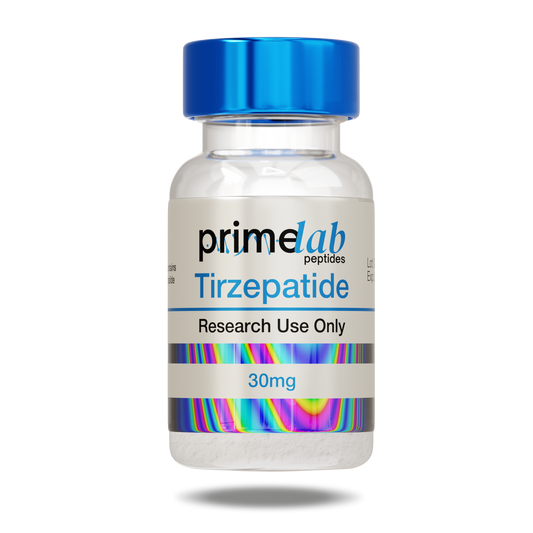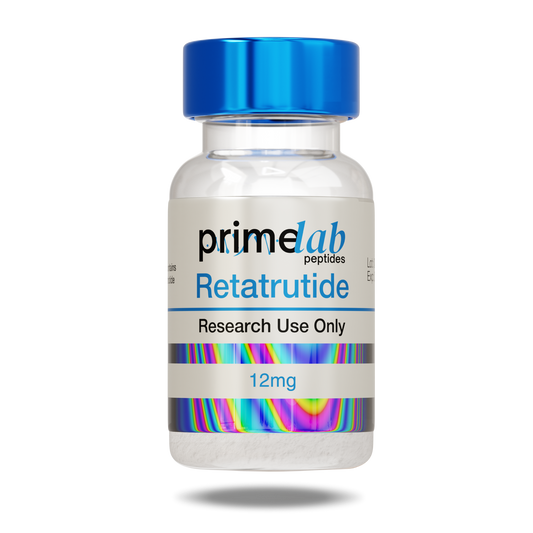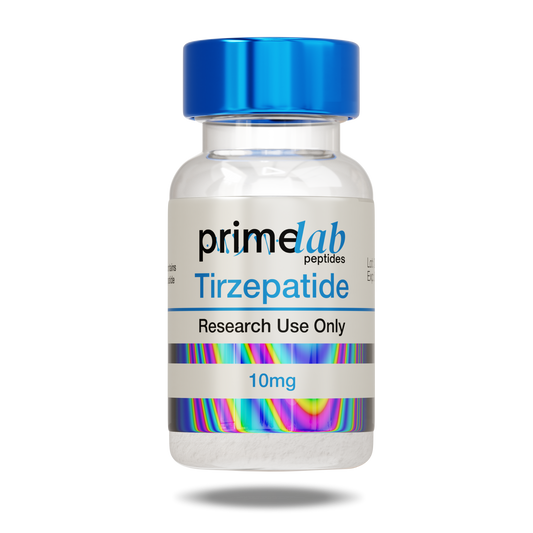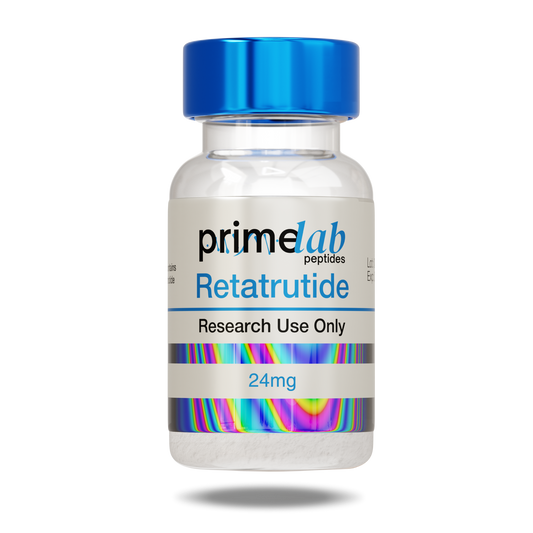
All product descriptions and articles provided on this website are intended strictly for informational and educational purposes. Our products are designed exclusively for in-vitro research (i.e., experiments conducted outside of a living organism, typically in glassware such as test tubes or petri dishes). These compounds are not approved by the FDA for use in humans or animals. They are not medications, nor are they intended to diagnose, treat, prevent, or cure any disease or medical condition. Any bodily administration-human or animal-is strictly prohibited by law. Our products are not for human consumption under any circumstances.

Scientific evaluation plays a pivotal role in uncovering how GLP-1 signaling regulates arterial stiffness and vascular health in hypertensive obesity. Emerging evidence suggests that activation of GLP-1 receptors influences endothelial function, oxidative stress, and inflammatory responses within arterial walls. Furthermore, these mechanisms collectively contribute to improved vascular elasticity and reduced hypertension risk. Therefore, continued research is essential to establish the precise molecular pathways underlying these cardiovascular effects.
At Prime Lab Peptide, we provide high-quality GLP-1 research peptides to support advanced scientific exploration. Our goal is to empower researchers with reliable materials, detailed data, and consistent standards. Through our commitment to purity and transparency, we help laboratories overcome experimental challenges and generate credible, reproducible insights into metabolic and cardiovascular mechanisms.
How Is Arterial Stiffness Scientifically Measured and Evaluated in Research?
Arterial stiffness is scientifically measured using advanced non-invasive techniques that evaluate vascular elasticity and compliance. According to Stanford University[1], pulse wave velocity (PWV) serves as the gold standard for this assessment. Moreover, it is determined by calculating the time difference between cardiac electrical activity and arterial pulse wave arrival, ensuring precise vascular evaluation.
Several key analytical parameters precisely define arterial stiffness.
- PWV quantifies the speed of blood pressure wave propagation.
- The Augmentation Index reflects arterial wave reflection and vascular tone.
- MRI and Ultrasound reveal structural and functional alterations in the arteries.
Furthermore, integrating these mechanical and biochemical methods enhances accuracy and interpretation. This combined approach allows researchers to link structural stiffness with molecular mechanisms, providing deeper insights into how pathways like GLP-1 signaling influence arterial behavior and cardiovascular regulation.
What Is the Functional Role of GLP-1 Signaling in Vascular Regulation?
GLP-1 signaling plays a crucial role in vascular regulation by influencing endothelial function, vascular tone, and inflammatory responses. According to a study published by Monash University[2], these pathways enhance nitric oxide synthesis, improve blood vessel flexibility, and mitigate oxidative stress. Consequently, GLP-1 plays a significant role in maintaining vascular homeostasis and promoting arterial health.
Several core mechanisms highlight GLP-1’s vascular regulatory functions:
- Promotes Vasodilation: GLP-1 activates endothelial nitric oxide synthase, increasing nitric oxide availability. This process relaxes vascular smooth muscle, improves blood flow, and lowers arterial tension effectively.
- Reduces Inflammation: GLP-1 signaling downregulates inflammatory cytokines and adhesion molecules, which helps protect vascular endothelium from immune-mediated injury and chronic inflammatory damage.
- Prevents Vascular Remodeling: It suppresses smooth muscle cell proliferation and extracellular matrix buildup, limiting pathological arterial thickening and preserving normal vessel elasticity over time.

How Emerging Research Clarifies GLP-1’s Mechanistic Role in Arterial Stiffness?
Emerging research continues to clarify the mechanistic role of GLP-1 in arterial stiffness, as evidenced by measurable changes in vascular parameters. A Cardiovascular Diabetology[3] study evaluated carotid-femoral pulse wave velocity and augmentation index using tonometry after six months of liraglutide treatment. The findings showed reduced PWVc and AI75 values. Consequently, these results indicate improved arterial elasticity and confirm GLP-1’s mechanistic role in vascular regulation.
Furthermore, recent investigations have emphasized the role of GLP-1 in counteracting age-related vascular decline. Ongoing longitudinal trials are evaluating the effects of chronic GLP-1 receptor activation on long-term vascular remodeling and reduction of stiffness. As these findings accumulate, researchers anticipate defining receptor-specific mechanisms and refining therapeutic targets, ultimately advancing the understanding of GLP-1’s contribution to cardiovascular regulation and arterial health.
Are GLP-1 Receptor Agonists Mechanistically Linked to Reduced Arterial Stiffness?
GLP-1 receptor agonists are mechanistically linked to reduced arterial stiffness by targeting vascular inflammation and oxidative stress. A study published in the AHA Journals[4] shows that liraglutide prevents hypertension-induced vascular damage by restoring endothelial function and nitric oxide balance. Consequently, it maintains vasorelaxation, prevents fibrosis, and enhances arterial elasticity through glucose-independent cardiovascular protection.
Several key mechanisms explain this vascular improvement:
1. Blood Pressure and Elasticity Enhancement
GLP-1RAs help lower systolic and diastolic pressure by improving vascular smooth muscle relaxation. This effect enhances arterial elasticity, decreases pulse wave velocity, and promotes more stable hemodynamic balance across vascular systems.
2. Endothelial Function Restoration
By stimulating nitric oxide synthesis and reducing oxidative stress, GLP-1RAs restore endothelial integrity. This restoration supports healthier vessel walls, improves blood flow, and effectively counteracts stiffness-related endothelial dysfunction.
3. Anti-Inflammatory and Anti-Fibrotic Action
These agonists suppress the production of inflammatory cytokines and vascular fibrosis, thereby reducing arterial wall thickening. Consequently, they limit chronic vascular remodeling and contribute to long-term improvement in arterial compliance and flexibility.
Advance Vascular Research with High-Quality GLP-1 Peptides from Prime Lab Peptides
Researchers often face challenges in sourcing peptides with verified purity, consistency, and proper documentation for experimental reproducibility. Variability in peptide quality or formulation can compromise study outcomes and delay progress. Moreover, regulatory and storage complexities add further hurdles, making it difficult to maintain uniform research conditions across multiple study phases.
At Prime Lab Peptide, we strive to simplify peptide sourcing for researchers by maintaining strict quality standards. Each GLP-1 peptide is produced with verified purity and complete documentation. Our focus is consistency, transparency, and reproducibility in every batch. For detailed product data or collaboration inquiries, researchers can contact us directly for support.

FAQs
What is GLP-1’s Vascular Significance?
GLP-1’s vascular significance lies in its ability to regulate the function of both endothelial and smooth muscle cells. It promotes nitric oxide production and reduces oxidative stress. Consequently, these actions contribute to improved vascular elasticity and reduced arterial stiffness in research models.
How Is Arterial Stiffness Measured Scientifically?
Arterial stiffness is scientifically measured using pulse wave velocity and augmentation index. These methods quantify arterial elasticity and wave reflection. Additionally, imaging and biochemical assessments provide complementary insights into vascular structure and endothelial performance in controlled research settings.
Why Are GLP-1 Receptor Agonists Studied Scientifically?
GLP-1 receptor agonists are studied scientifically to explore their impact on vascular signaling and endothelial regulation. These compounds exhibit vasodilatory and anti-inflammatory effects. Consequently, their investigation helps researchers understand mechanisms contributing to improved arterial compliance and cardiovascular resilience in experimental studies.
What Challenges Exist in GLP-1 Research?
The main challenges in GLP-1 research include ensuring peptide stability, reproducibility, and standardization across experiments. Variations in synthesis or handling can impact data accuracy. Therefore, verified peptide quality and detailed documentation are crucial for reliable experimental outcomes.